




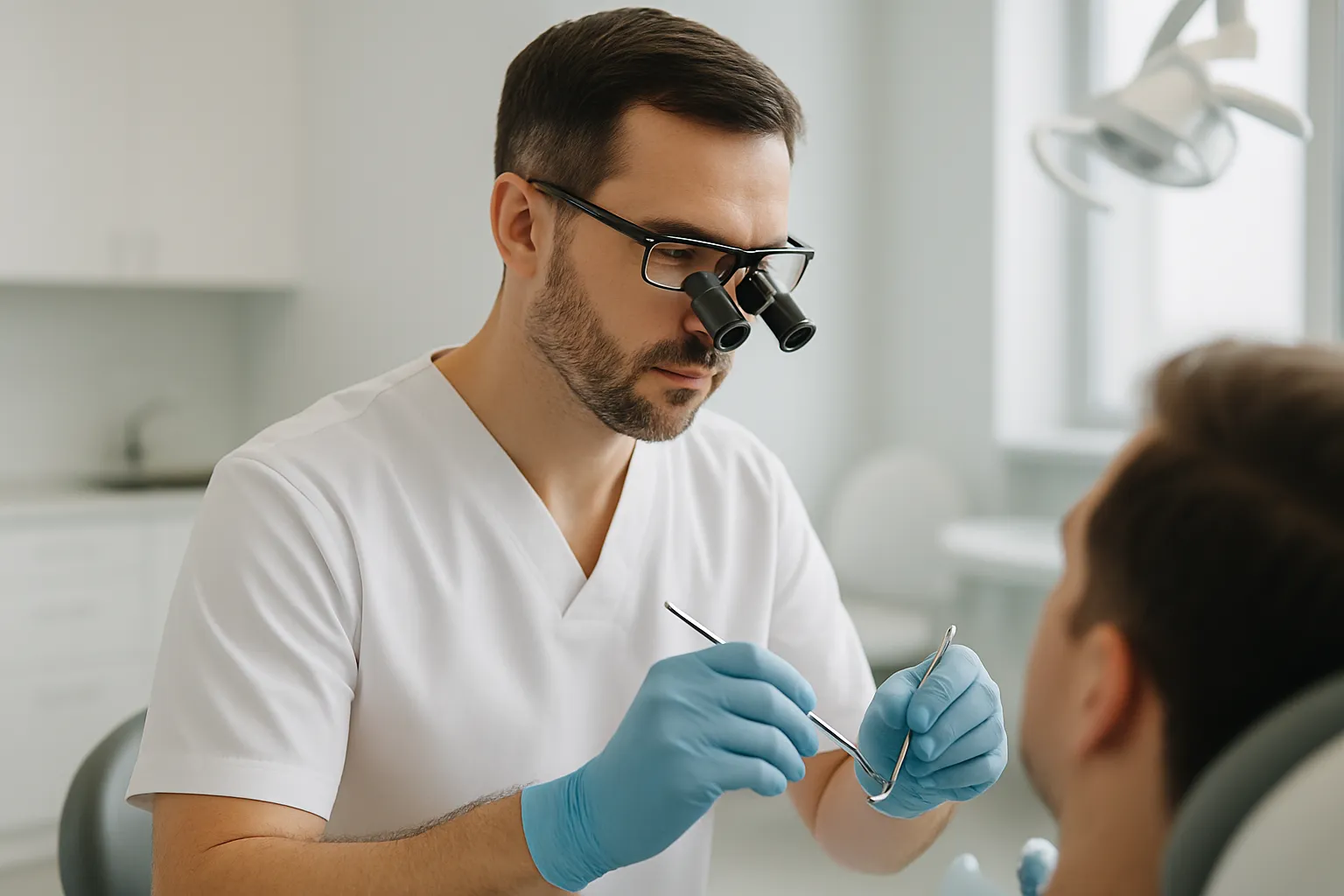
Selecting dental loupes with ergonomic features is a key step in helping to prevent back and neck pain among dental professionals. Poor posture during clinical procedures, often exacerbated by inadequately designed loupes, is strongly associated with musculoskeletal discomfort and disorders in dentists. Evidence from systematic reviews indicates that ergonomic interventions, such as the use of properly selected magnification loupes, can support improved working posture and may reduce the risk of musculoskeletal disorders (MSDs) in dental practice (S1, S2, S8).
The design and adjustment of dental loupes directly influence a clinician’s posture, comfort, and long-term musculoskeletal health. Suboptimal loupe features—such as inappropriate working distance or insufficient declination angle—can force clinicians into awkward positions, increasing the likelihood of chronic pain (S2, S9). This article provides practical, evidence-based criteria to guide dentists in selecting dental loupes that promote ergonomic posture and help minimize the risk of back and neck pain over the course of their careers.
Understanding Dental Loupes Ergonomics and Musculoskeletal Disorders
Ergonomic dental loupes are magnification devices specifically designed to help clinicians maintain a neutral posture during procedures, reducing unnecessary strain on the neck and back. Their role in dental practice extends beyond visual enhancement, as they are intended to support musculoskeletal health by promoting upright working positions.
Multiple systematic reviews have found that the use of dental loupes is associated with a reduction in musculoskeletal disorders (MSDs) among dentists. For example, one review reported that loupes, when used as part of ergonomic interventions, may help decrease the prevalence of neck and back pain in dental professionals (S1, S2, S3, S8). A recent study highlighted that magnification loupes were strongly associated with reduced MSD risk in dentists (S5).
Systematic evidence further suggests that loupes can improve working posture and overall comfort, with studies noting significant improvements in postural alignment and a decrease in musculoskeletal complaints when loupes are properly integrated into clinical routines (S2, S3, S8).
How Dental Loupes Influence Working Posture
Key Loupe Design Features Affecting Posture
Dental loupes can play a significant role in shaping a clinician’s working posture by determining how the head, neck, and back align during procedures. Magnification level directly influences how close a dentist must lean toward the operative field; higher magnification may require more precise positioning, but when properly selected, it can reduce forward head posture and minimize the need for excessive neck flexion (S2). The declination angle—how far the optics tilt downward—also matters: ergonomic designs that promote a head tilt of less than 20 degrees are associated with better spinal alignment and reduced musculoskeletal strain (W2). Field of view is another key factor; a wider field allows clinicians to work without frequent head movement, supporting a more neutral posture (S10). However, these benefits depend on correct loupe adjustment and positioning, as improper setup may negate ergonomic advantages and contribute to discomfort (S7).
Essential Criteria for Selecting Ergonomic Dental Loupes
What to Look for When Choosing
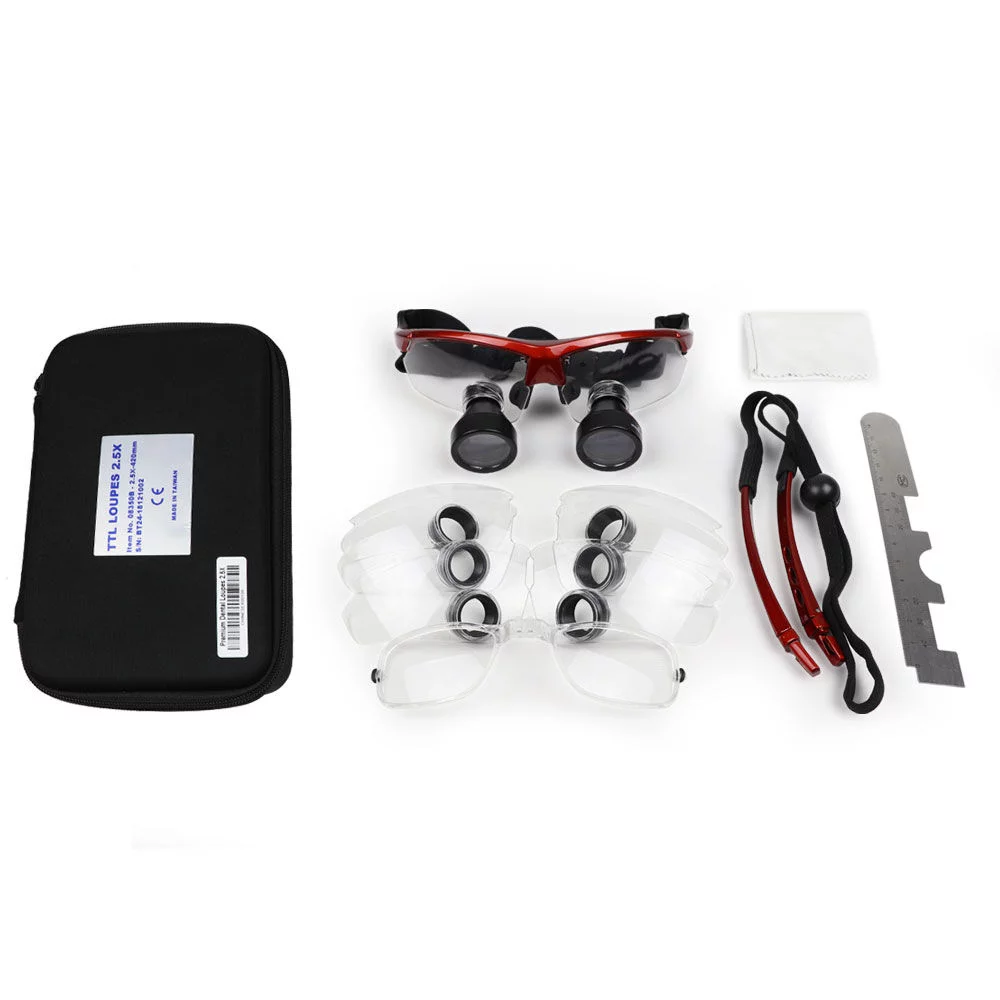
When selecting ergonomic dental loupes, focus on features that support healthy posture and reduce musculoskeletal strain. Key criteria include an appropriate working distance—such as the 420mm option in Premium TTL Dental Loupes 2.5X (420mm Working Distance)—which helps maintain a neutral spine position. The declination angle should allow you to view the operative field without excessive neck flexion, as studies suggest this may reduce neck and back discomfort (S2, S8). Lightweight frames with stable support, customizable fit, and independently adjustable pupillary distance all contribute to long-term comfort, especially during lengthy procedures (S1, W5). Adjustability and compatibility with prescription lenses are practical considerations; for guidance, see choosing prescription lenses for dental loupes. Finally, select magnification and design features suited to your clinical focus—lower magnification and lighter loupes may be preferred for hygiene, while surgery may require higher magnification and greater customization (W6).
Comparing Lumadent, Surgitel, and Amtech: Ergonomic Features
Brand Overview and Key Differences
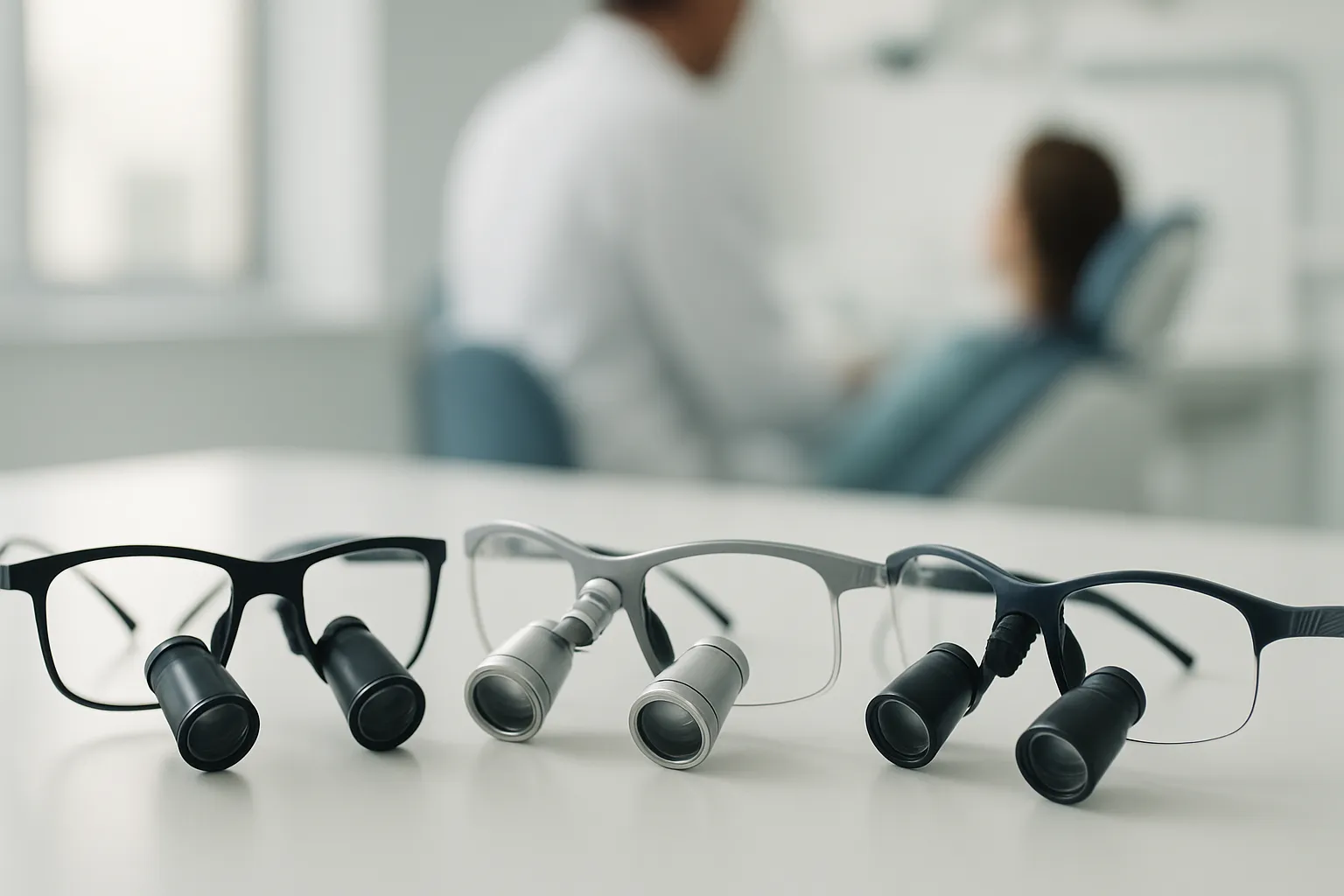
Lumadent, Surgitel, and Amtech each offer dental loupes designed with ergonomic considerations for clinical comfort. Lumadent loupes are known for lightweight composite frames and entry-level affordability, with available magnifications typically ranging from 2.5x to 3.0x, supporting reduced neck strain during procedures (W8). Surgitel loupes emphasize ergonomic posture, promoting a working head tilt angle of less than 20 degrees, which is intended to help maintain spinal alignment and may reduce musculoskeletal discomfort (W2, W9). Surgitel also offers specialized models such as the ErgoDeflection™ series, which are designed with additional ergonomic features (W4). Amtech loupes are commonly selected for their customizable fit and magnification options, addressing varied clinical tasks and practitioner preferences. Across brands, adjustability, frame stability, and prescription compatibility are key ergonomic features highlighted by manufacturers and clinical feedback.
Decision Table: Ergonomic Comparison of Lumadent, Surgitel, and Amtech
Choosing ergonomic dental loupes involves comparing key features that directly affect posture, comfort, and clinical workflow. The table below summarizes essential ergonomic criteria for Lumadent Loupe, Surgitel Loupe, and Amtech Loupe to help match product attributes to individual needs.
| Feature | Lumadent | Surgitel | Amtech |
|---|---|---|---|
| Weight | Lightweight composite frames1 | Lightweight, ergonomic design2 | Standard weight |
| Declination Angle | Adjustable, ergonomic focus1 | Promotes <20° head tilt2 | Adjustable |
| Working Distance | Multiple options1 | Multiple options2 | Customizable |
| Frame Types | Composite, prescription compatible1 | Multiple ergonomic frames2 | Standard frames |
| Adjustability | Yes | Yes | Yes |
| Prescription Compatibility | Available1 | Available2 | Available |
For clinicians prioritizing lightweight frames and entry-level ergonomic features, Lumadent offers practical solutions. Surgitel emphasizes spinal alignment with its declination angle design, while Amtech provides standard adjustability. Consider your posture requirements, procedure length, and need for prescription integration when making a selection.
Tips for Maintaining Ergonomic Posture with Loupes
Optimal ergonomic posture with dental loupes begins with precise adjustment. Ensure your loupes are set to your correct working distance and declination angle, allowing you to keep your head upright and shoulders relaxed. Adjust your chair height so your feet rest flat on the floor, and position the patient so the oral cavity is at your eye level, minimizing the need to lean or twist. Studies highlight that proper loupe adjustment and regular ergonomic training are important for reducing neck and back strain in dental practice (S10, S6).
Develop habits such as repositioning yourself, taking brief stretching breaks, and alternating tasks to avoid prolonged static postures. Workflow modifications—like organizing your instruments within easy reach—can further reduce musculoskeletal stress (S1, S4). Ongoing self-assessment, such as periodic posture checks and seeking feedback or ergonomic refresher courses, is recommended to maintain good habits and help prevent musculoskeletal discomfort over time (S6, S10).
Integrating Ergonomic Loupes into Your Practice: Next Steps
Successfully adopting ergonomic dental loupes involves more than equipment selection—it requires thoughtful integration into daily workflows. Begin by assessing your operatory setup, ensuring that loupe use aligns with optimal chair and patient positioning, as studies indicate that these adjustments are essential for maximizing ergonomic benefit (S10). Introducing new loupes may necessitate workflow modifications, such as routine loupe adjustment checks and periodic posture assessments during procedures.
Training is a key factor: evidence suggests that ergonomic training and regular self-assessment can help prevent and manage musculoskeletal disorders in dental professionals (S6, S10). Consider scheduling periodic ergonomic reviews and involving all team members in ongoing education.
For further guidance, explore our regional loupes selection resource and our dental loupe headlight and battery comparison guide to support your transition and ensure compatibility with your clinical needs.
Conclusion
Choosing dental loupes with ergonomic features is a practical step dentists can take to help reduce the risk of musculoskeletal discomfort and support long-term occupational health. Evidence from systematic reviews suggests that ergonomic loupes may contribute to improved working posture and are associated with a reduction in musculoskeletal disorders among dental professionals (S1, S2, S3, S7, S8). However, the ergonomic benefits depend not only on the loupe design but also on proper adjustment and regular assessment of working posture.
When selecting loupes, consider both the evidence and how well the features fit your individual clinical needs and physical characteristics. A practical checklist includes:
- Evaluate working distance and declination angle for optimal posture
- Assess loupe weight and frame stability for comfort during long procedures
- Ensure adjustability and compatibility with prescription lenses if needed
- Regularly review your posture and loupe fit as part of ongoing ergonomic self-assessment
Integrating ergonomic loupes into your workflow, combined with periodic training and self-checks, may help maintain musculoskeletal health throughout your dental career. Prioritizing these factors supports both clinical performance and practitioner well-being.
Frequently Asked Questions
How do ergonomic dental loupes help prevent neck and back pain?
Ergonomic loupes may promote better posture by reducing the need to lean forward, potentially decreasing strain on the neck and back according to reviewed studies.
Is there scientific evidence that loupes reduce musculoskeletal disorders in dentists?
Multiple systematic reviews report that magnification loupes are associated with improved posture and may help reduce musculoskeletal discomfort among dental professionals.
What is the most important ergonomic feature to look for in dental loupes?
Key features include an appropriate declination angle, correct working distance, lightweight design, and adjustability for the individual user.
Can I use prescription lenses with ergonomic dental loupes?
Many modern loupes allow integration with prescription lenses; check product specifications and see our guide for compatibility.
References
- Prevention of musculoskeletal diseases and pain among dental professionals through ergonomic interventions: a systematic literature review (2020)
- The role of ergonomic saddle seats and magnification loupes in the prevention of musculoskeletal disorders. A systematic review (2018)
- The effect of dental loupes on postural ergonomics during non-surgical periodontal therapy (2025)
Last updated: 2026-10-10
Related products at Nutrident
Dentist, Iran Medical Council registration No. 233463 · Last reviewed: 10 October 2026
Nutrident educational content is based on credible sources and reviewed under his supervision. This article is for professional education and does not replace clinical examination or the judgement of the treating dentist.