




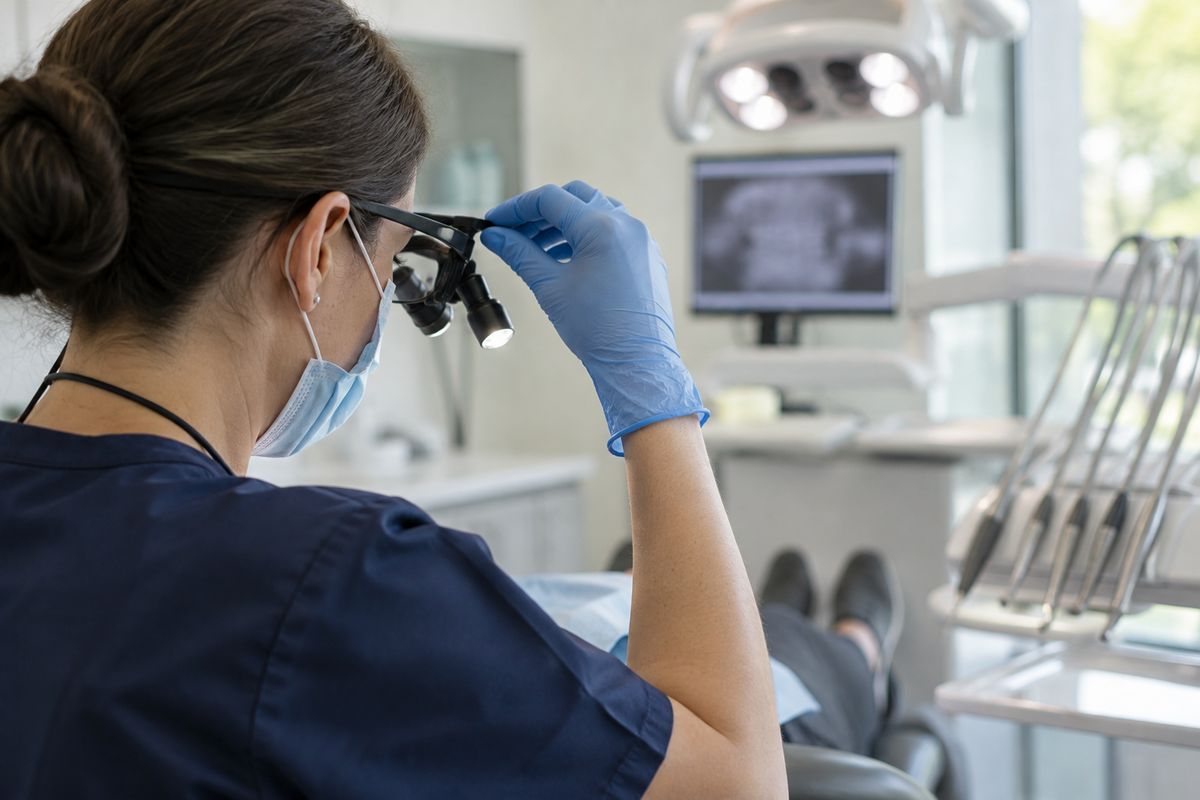
Choosing the right dental headlight is essential for providing consistent, high-quality illumination during procedures. Optimal lighting improves intraoral visibility and can contribute to reducing operator fatigue and supporting clinical outcomes. When evaluating dental headlights, clinicians should consider several critical factors: brightness (measured in lux or luminance), battery life, ergonomic design, and compatibility with existing loupes and personal protective equipment.
These criteria are especially relevant for clinics in the UAE and internationally, where diverse patient needs and long clinical hours demand reliable, adaptable equipment. Differences in battery technology, brightness ratios, and mounting options can significantly affect daily workflow and practitioner comfort. Understanding these features helps ensure that dental teams select headlights that support both clinical excellence and practitioner well-being.
Why Proper Illumination Matters in Dentistry
Direct illumination is essential in dentistry for enhancing intraoral visibility, allowing clinicians to distinguish small details and low-contrast areas critical for accurate diagnosis and treatment. Studies highlight that effective use of headlights supports dental professionals in delivering care with reduced risk of operator fatigue and musculoskeletal strain, particularly when combined with ergonomic loupe systems (S1, S5). Adequate lighting has been associated with improved diagnostic accuracy and efficiency, as it helps clinicians clearly visualize the working field, even when natural or ambient light is insufficient (S5). Dental settings present unique illumination challenges, such as shadows cast by the operator’s hands or instruments, interference from personal protective equipment (PPE), and the integration of loupes, all of which can compromise visibility. Properly designed headlights address these challenges by providing focused, adjustable light directly at the point of care, supporting both visual clarity and ergonomic posture (S8, S1).
Dental Headlight Brightness: What Is Enough?
Brightness in dental headlights is typically described in terms of luminance (lux), which measures the intensity of light on a surface—crucial for distinguishing fine intraoral details. Direct, co-axial illumination is preferred, as it minimizes shadows caused by hands or instruments and enhances visibility in the operative field (S8). For clinical effectiveness, SurgiTel recommends a target brightness (TB) ratio of 3:1—meaning the illuminated area should be three times brighter than the surrounding field. This ratio helps optimize contrast without causing excessive glare or visual discomfort (W8, S2).
Modern dental headlights commonly offer brightness levels ranging from approximately 20,000 to over 65,000 lux, with certain models like the LumaDent 360 Max Headlight reaching the upper end of this spectrum (W6). However, higher brightness must be balanced with color accuracy to avoid color distortion and ensure reliable tissue differentiation. Additionally, excessive brightness can lead to glare; thus, adjustable output and appropriate diffusers are important considerations in clinical selection (W7).
Battery Life and Charging: Practical Considerations
Modern dental headlights typically use rechargeable lithium-ion batteries, which offer runtimes ranging from several hours up to a full clinical day, depending on brightness settings and model design. For example, portable LED headlamps evaluated for field dentistry demonstrated reliable performance throughout extended sessions, making them suitable for both fixed and mobile clinics (S10). However, increasing the brightness setting can reduce battery life, so clinicians should consider the necessary illumination level for their procedures and adjust accordingly. Manufacturer guidance generally recommends following specific charging cycles and avoiding overcharging to preserve battery longevity (W2). Regularly inspecting battery contacts and storing batteries in a cool, dry environment are practical steps to maintain optimal function. For clinics with long working hours or outreach settings, selecting headlights with swappable batteries or rapid charging capabilities can help ensure uninterrupted operation. For a detailed comparison of battery features across leading dental headlight models, see our comprehensive dental loupe headlight battery comparison guide.
Ergonomic Design: Preventing Strain and Injury
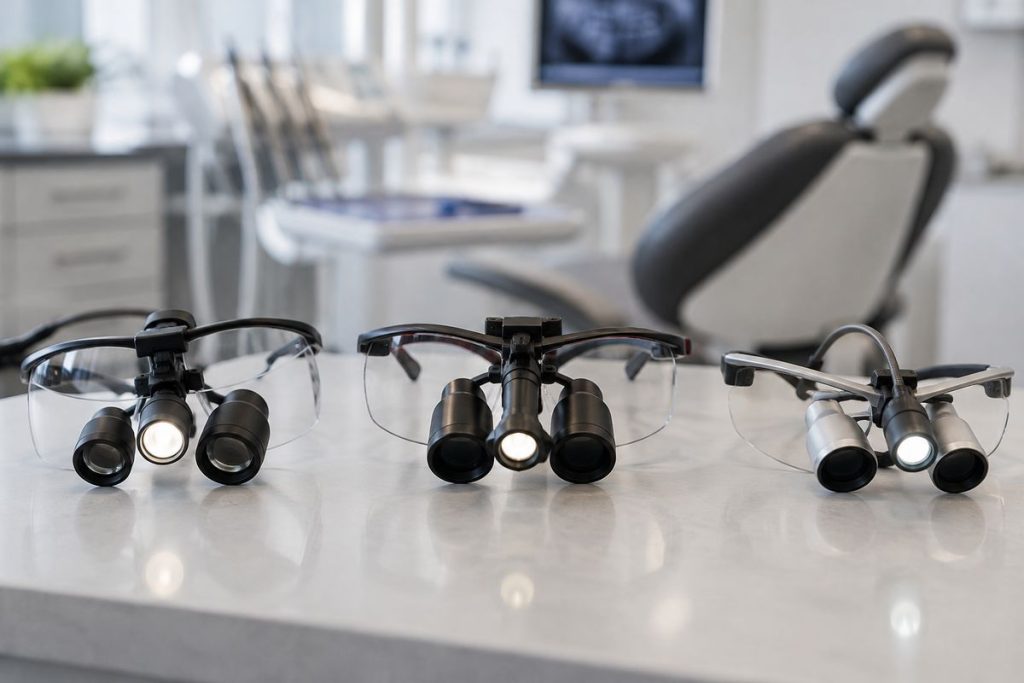
Suboptimal use of dental headlights and loupes is associated with increased cervical strain, particularly when illumination is misaligned or the equipment is heavy or poorly balanced (see our dental loupes ergonomics guide). Features such as reduced weight, balanced design, and versatile mounting options can help minimize musculoskeletal discomfort during prolonged procedures. Modern headlights are trending toward smaller, lighter models to support ergonomic postures and reduce operator fatigue [S3]. Integration with loupes—whether TTL or flip-up—should be evaluated for secure attachment and minimal interference with personal protective equipment (PPE); compatibility issues can often be addressed by consulting both loupe and headlight manufacturers (learn more about TTL vs flip-up loupes)[W3]. Evidence and user feedback suggest that a well-matched headlight and loupe combination can empower clinicians to deliver care while reducing ergonomic risks [S1].
Comparing Leading Dental Headlight Brands
Dental headlights from brands such as Lumadent, Surgitel, and Amtech are commonly available for direct, hands-free illumination in clinical settings. These headlights differ in brightness output, battery duration, weight, and mounting options, each impacting daily workflow.
| Brand | Brightness | Battery Life | Weight | Mounting | Loupe Compatibility |
|---|---|---|---|---|---|
| Lumadent | High (model-dependent) | Moderate-Long | Lightweight | Clip-on/Headband | Most major loupes |
| Surgitel | Adjustable, recommended 3:1 TB ratio | Moderate | Lightweight | Loupe/Headband | Surgitel, compatible brands |
| Amtech | Moderate | Standard | Standard | Headband | Selected loupes |
Most modern headlights are designed for compatibility with a range of loupe types, offering clinicians flexibility in their optical setup.W4,W5,W8
After-Sales Support and Maintenance
Reliable after-sales service is a critical consideration when selecting dental headlights, as it ensures prompt resolution of technical issues and access to replacement parts. Warranty coverage and the availability of consumables, such as batteries or cables, can significantly affect long-term satisfaction and reduce downtime in clinical operations. Practical maintenance routines—such as following manufacturer guidelines for battery charging cycles—may help preserve battery performance and extend the functional lifespan of the device. Regular inspection for wear, cleaning of optical components, and timely replacement of worn parts are also recommended as part of standard maintenance.
For clinics in the UAE and international settings, the presence of local distributors or responsive manufacturer support can streamline repairs and parts replacement. This is particularly important in high-volume practices or mobile clinics, where rapid turnaround is essential to maintain workflow continuity.
Decision Table: Matching Headlight Features to Clinic Needs
Selecting the right dental headlight requires balancing brightness, battery life, ergonomics, and compatibility with clinical demands. The table below summarizes key features of leading models and their suitability for various settings.
| Headlight Model | Brightness | Battery Life | Weight/Ergonomics | Mounting/Loupe Compatibility | Best For |
|---|---|---|---|---|---|
| Lumadent Headlight | High (per manufacturer) | Extended | Lightweight | Wide loupe/PPE fit | General, mobile clinics |
| Surgitel Headlight | Adjustable, 3:1 TB ratio1 | Long | Ergonomic focus | Integrates with loupes | Surgery, precision tasks |
| Amtech Headlight | Moderate | Standard | Balanced | Multiple mounting options | General practice |
Checklist for Selection:
- Assess required brightness for your procedures (e.g., surgery vs. hygiene)1.
- Estimate typical session length to determine needed battery life2.
- Consider ergonomic features to reduce strain3.
- Check compatibility with existing loupes and PPE4.
- Review after-sales support and part availability for your region.
Conclusion
Choosing the right dental headlight for your clinic requires careful consideration of several interrelated factors. Brightness should be sufficient to enhance intraoral visibility without causing glare, and should be evaluated in terms of both luminance (lux) and color accuracy. Battery life and charging convenience are critical for maintaining workflow during extended clinical sessions, especially in settings where access to charging may be limited. Ergonomic design—including weight, balance, and mounting options—plays a key role in minimizing operator fatigue and reducing the risk of musculoskeletal strain. Reliable after-sales support and straightforward maintenance routines can further extend the lifespan and utility of your investment.
To summarize, a practical checklist when evaluating dental headlights includes:
- Assessing target brightness and color accuracy for your procedures
- Reviewing battery type, runtime, and charging options
- Checking ergonomic features and compatibility with loupes and PPE
- Confirming after-sales support and ease of maintenance
Ultimately, balancing these criteria with your clinic’s specific needs will help ensure optimal illumination, operator comfort, and consistent clinical outcomes.
Frequently Asked Questions
What is the ideal brightness for a dental headlight?
Studies suggest a 3:1 target-to-background ratio is often recommended, but ideal brightness depends on clinical context and user preference.
How long should a dental headlight battery last?
Modern headlights typically offer several hours of runtime, but actual duration varies with brightness settings and battery type.
Do all dental headlights fit every loupe or PPE?
Not all headlights are universally compatible; checking with both loupe and headlight manufacturers is advisable to ensure proper fit.
What maintenance do dental headlights require?
Routine cleaning and following manufacturer guidance for battery care are generally recommended to maximize lifespan.
References
- … role of headlights in dental hygiene Lighting has become one of the most important tools for dental hygienists. But when it comes to your headlight, brighter …
- Design and prototype of a dentistry viewer for augmented reality (2024)
- Factors contributing to student satisfaction with dental loupes and headlights (2020)
Last updated: 2026-11-22
Dentist, Iran Medical Council registration No. 233463 · Last reviewed: 22 November 2026
Nutrident educational content is based on credible sources and reviewed under his supervision. This article is for professional education and does not replace clinical examination or the judgement of the treating dentist.