





Dental practices in the UAE and internationally are increasingly adopting digital dental anesthesia devices to improve patient comfort and enhance the predictability of local anesthetic delivery. Evidence suggests that computer-controlled local anesthesia (CCLA) systems may reduce pain perception and certain operator errors compared to conventional syringes, making them attractive for modern clinics (S1, S5). However, the transition to digital anesthesia is not without challenges. Complications during the switch can include technical errors, inconsistent dosing, and issues stemming from staff unfamiliarity with new workflows (S6, S7).
To minimize these risks, a structured approach is essential. Key protocols include comprehensive staff training, careful device calibration, and adaptation of clinical procedures to the specific features of digital systems. Early monitoring and feedback mechanisms help identify and address complications promptly, supporting a smoother transition and improved patient outcomes (S6, S7).
Understanding Digital Dental Anesthesia Devices in Dentistry
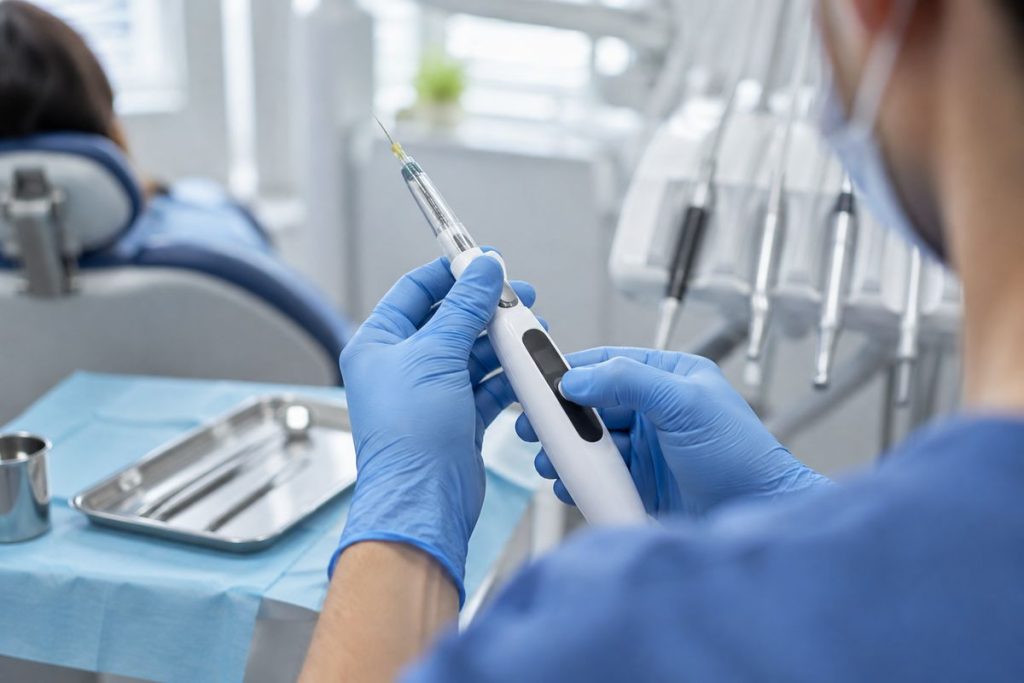
Computer-controlled local anesthesia (CCLA) devices, often referred to as digital anesthesia systems, represent an important development in dental pain management. These systems use electronic controls to deliver local anesthetic at a precisely regulated rate and volume, aiming to improve patient comfort and procedural consistency (S5). In contrast to manual syringes, which rely on operator hand pressure and technique, digital anesthesia devices employ motorized pumps and fine delivery tips to administer anesthetic with greater consistency and less variability (S5, W4). Typical workflow adaptations include device setup, calibration, and digital interface navigation prior to injection. In clinical practice, devices such as Topmed and Soga digital anesthesia systems have been adopted in UAE and international dental clinics, offering controlled anesthesia delivery and workflow integration for common dental procedures (W3, product id:9, product id:10).
Common Complications When Switching to Digital Anesthesia
Transitioning from conventional syringes to digital anesthesia systems introduces a distinct set of complications, particularly during the early adoption phase. Reported challenges include technical errors such as device malfunction or improper calibration, inconsistent anesthetic dosing due to unfamiliarity with digital controls, and workflow disruptions related to device set-up or connectivity issues. Operator inexperience is a key factor, as the learning curve can lead to errors in dosage selection or technique, especially when staff have limited hands-on training with the new technology. Patient-related factors—such as increased anxiety when encountering unfamiliar equipment—may also influence outcomes and complicate the injection process.
While studies suggest that computer-controlled local anesthesia (CCLA) systems may help reduce pain perception and the likelihood of certain complications compared to manual techniques, they do not eliminate risks entirely. Adverse effects and technical complications have still been observed in the transition phase, underscoring the need for structured protocols and ongoing monitoring during implementation.
Practical Steps to Minimize Transition Risks
Pre-implementation
Prior to introducing digital anesthesia devices, clinics should follow a structured checklist: calibrate each device according to manufacturer guidance, ensure all staff receive comprehensive training on both device operation and troubleshooting, and update clinical protocols to reflect workflow changes. Preclinical simulations can help staff become familiar with the mechanism and settings before patient use (S6).
Early clinical use
During initial patient cases, double-check anesthetic dosage settings and have experienced clinicians supervise injections. Clearly communicate with patients about the new technology and set expectations regarding comfort and potential brief interruptions. These steps help reduce the risk of technical errors and support patient confidence (S9).
Ongoing quality assurance
Implement regular monitoring of outcomes and complications, such as through team debriefs or incident logs. Early identification of issues allows prompt protocol adjustment and targeted retraining, which is essential for minimizing adverse events as the team adapts to digital anesthesia systems (S6).
Comparing Digital vs Manual Dental Injection Risks
Switching from conventional syringes to computer-controlled local anesthesia (CCLA) devices changes the risk profile for dental injections. While digital systems offer advantages in pain management and dosing consistency, both methods present unique complications. The following table summarizes typical risks and complications associated with each approach based on current evidence:
| Risk/Complication | Conventional Syringe | Digital Anesthesia System |
|---|---|---|
| Pain Perception | Often higher, especially during injection | Generally lower; more predictable comfort reported |
| Dosing Errors | Manual control may lead to inconsistent dosing | Automated delivery reduces risk, but technical errors possible |
| Tissue Trauma | Higher risk with rapid or forceful injection | Smoother flow may reduce trauma, but device malfunction possible |
| Operator Error | Dependent on manual technique and experience | Learning curve with new device; setup errors possible |
| Device-Specific Issues | Needle breakage, aspiration errors | Technical malfunction, software or calibration errors |
Studies suggest that digital systems may improve patient comfort and dosing accuracy, but require careful operator training to minimize device-related complications.
Device-Specific Protocols: Topmed and Soga Digital Anesthesia
Successful integration of Topmed and Soga digital anesthesia devices in dental practice requires attention to setup, calibration, and workflow adjustments. Both systems support controlled local anesthetic delivery, but initial calibration is essential to ensure accurate dosing and device responsiveness. Clinicians are advised to follow manufacturer protocols for device priming and to confirm flow rates prior to patient use. Routine checks—such as verifying cartridge placement and software settings—help prevent technical interruptions during procedures. Adaptations to workflow may include allocating extra time for device setup and involving trained staff in the process, especially during the early adoption phase. In the UAE, clinics should confirm compliance with local device registration and operator credentialing requirements. Ongoing staff training and periodic device maintenance are recommended to maintain safety and performance in line with regional guidelines.1
Patient Communication and Consent During Transition
Clear, empathetic communication is essential when introducing digital anesthesia devices to patients. Begin by explaining that computer-controlled local anesthesia systems, such as those adopted in UAE clinics, are designed to deliver anesthetic more precisely and may help reduce discomfort compared to traditional syringes (S8). Outline the reasons for the transition, emphasizing potential benefits like improved comfort, but also acknowledge that, as with any new technology, there may be brief technical interruptions or an initial adjustment period for staff.
When obtaining informed consent, describe the digital device’s mechanism—including its use of a fine tube or specialized tip for anesthetic delivery (W4)—and clarify that while studies suggest patients may experience less pain, individual responses can vary (S8, S9). Address patient anxiety by encouraging questions, offering reassurance about staff training, and being transparent about the clinic’s protocols for managing any unexpected issues during the transition.
Integrating Digital Anesthesia into Clinic Protocols: UAE and International Considerations
Successful integration of digital anesthesia devices requires alignment with both local and international safety guidelines for anesthesia delivery. In the UAE, standards mandate that all healthcare facilities offering anesthesia services must ensure devices meet regulatory requirements and that staff are appropriately credentialed for their use (W7). Documentation of device calibration, maintenance schedules, and operator training should be maintained as part of quality assurance. Internationally, clinical guidelines emphasize the importance of adopting safe and effective anesthesia techniques, including the use of computer-controlled local anesthesia systems where appropriate (W6). Regular equipment checks and compatibility assessments are essential to avoid workflow interruptions. For practices in the UAE, further guidance on device compatibility and integration can be found in dedicated resources on dental equipment compatibility in the UAE, supporting smooth workflow adaptation and regulatory compliance.
Conclusion
Transitioning from conventional syringe-based anesthesia to digital systems in dental practice requires careful planning to minimize complications. Evidence suggests that while computer-controlled local anesthesia (CCLA) can reduce certain risks, such as dosing inconsistencies and pain perception, the transition phase itself introduces unique challenges related to device unfamiliarity and workflow adaptation (S1, S6, S7). To support a safe and effective switch, clinicians should approach the process as a structured, evidence-informed change.
- Invest in comprehensive staff training to build familiarity and confidence with the device and protocols (S6, S9).
- Calibrate and validate devices before first use, following manufacturer and local regulatory guidelines.
- Adapt and document clinical protocols to reflect the specific workflow of digital anesthesia systems.
- Monitor and review early cases for complications, using feedback to refine processes and address issues promptly (S6).
- Communicate transparently with patients about expected benefits, possible technical interruptions, and obtain informed consent.
Ongoing monitoring, protocol adaptation, and open communication are essential to optimize outcomes and patient safety. By treating the transition as a stepwise, evidence-based process, dental teams can realize the advantages of digital anesthesia while mitigating potential risks.
Frequently Asked Questions
Are digital anesthesia devices completely risk-free compared to syringes?
No; while studies suggest digital devices may reduce certain complications, they do not eliminate all risks.
What is the main learning curve when adopting digital anesthesia?
Clinicians often face challenges with device setup, calibration, and adapting their injection technique.
Can all patients benefit from digital anesthesia devices?
Most patients may experience benefits, but device selection and technique should be tailored to individual needs.
Do UAE clinics need specific approvals for digital anesthesia devices?
Clinics should ensure compliance with local regulatory and safety guidelines when introducing new devices.
References
- Clinical efficacy of a computerised device (STA™) and a pressure syringe (VarioJect INTRA ™) for intraligamentary anaesthesia (2015)
- Efficacy of computer-controlled local anesthesia delivery system on pain in dental anesthesia: a systematic review of randomized clinical trials (2024)
- Application Effect of Computer‐Assisted Local Anesthesia in Patient Operation (2021)
Last updated: 2026-11-11
Dentist, Iran Medical Council registration No. 233463 · Last reviewed: 11 November 2026
Nutrident educational content is based on credible sources and reviewed under his supervision. This article is for professional education and does not replace clinical examination or the judgement of the treating dentist.